
Why Prefab Home Companies Need Photorealistic Renders?
Selling a prefab home is fundamentally different from selling a traditionally built one. With a traditional custom home, clients can visit similar completed projects, walk through show homes, and get a feel for the finished product. With prefab, you're often asking someone to commit to a significant purchase before anything exists on their property — sometimes before your company has even completed a single build.
That's where photorealistic renders become one of the most powerful tools in your marketing arsenal.
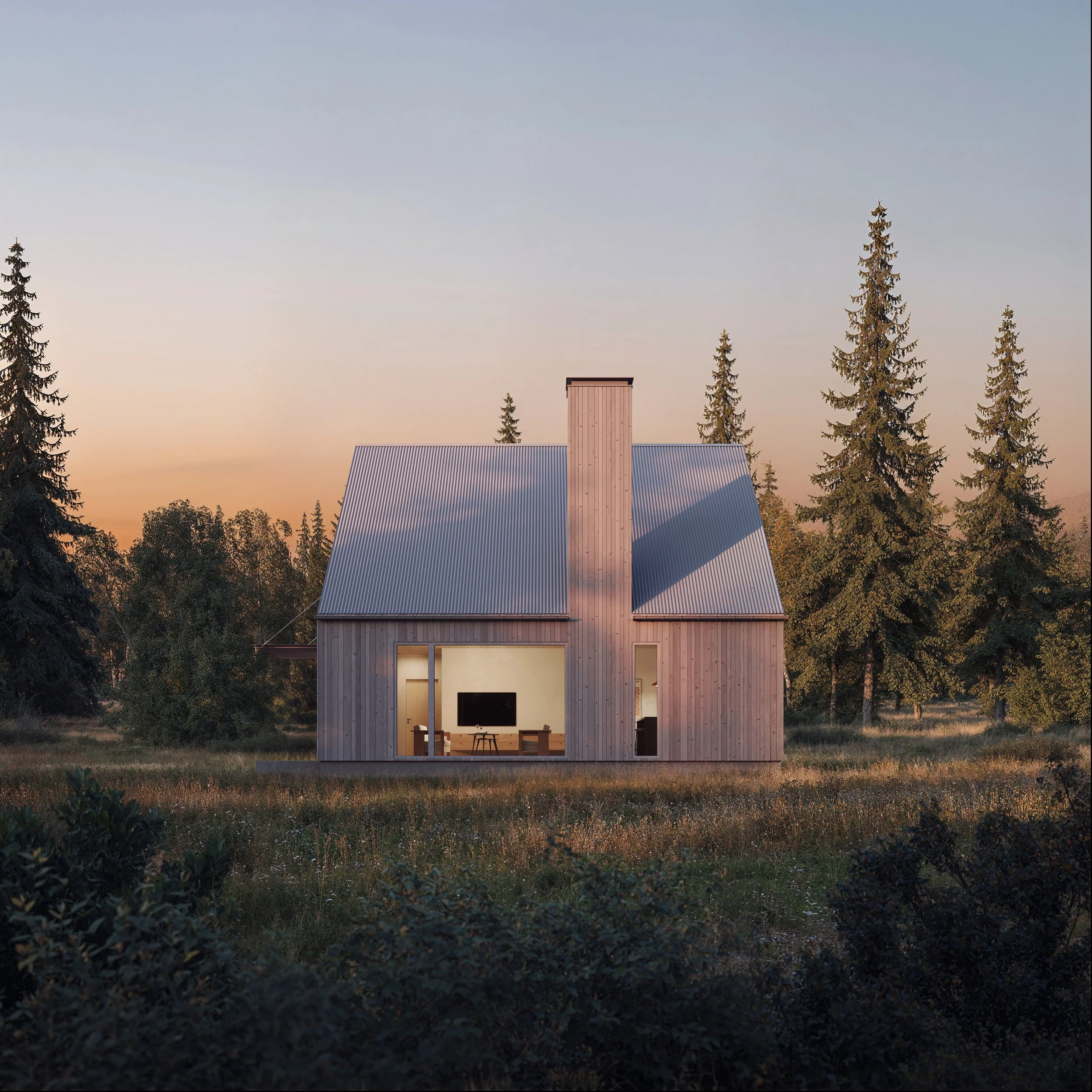
ADU visualization for Butterflybackyard
The problem with photos of completed builds
Most prefab companies rely on photography of completed units to sell new ones. The issue is that a photo of a cabin in someone's backyard in Oregon doesn't help a buyer in Texas visualize what the same unit would look like on their property, in their landscape, in their climate. Photos are static. They show one context, one setting, one moment.
Renders are different. A photorealistic render can show your unit in a pine forest, on a beach, in a desert landscape, next to a suburban home or on a rural lot — all from the same model. You're not limited by what you've already built. You're selling the possibility.
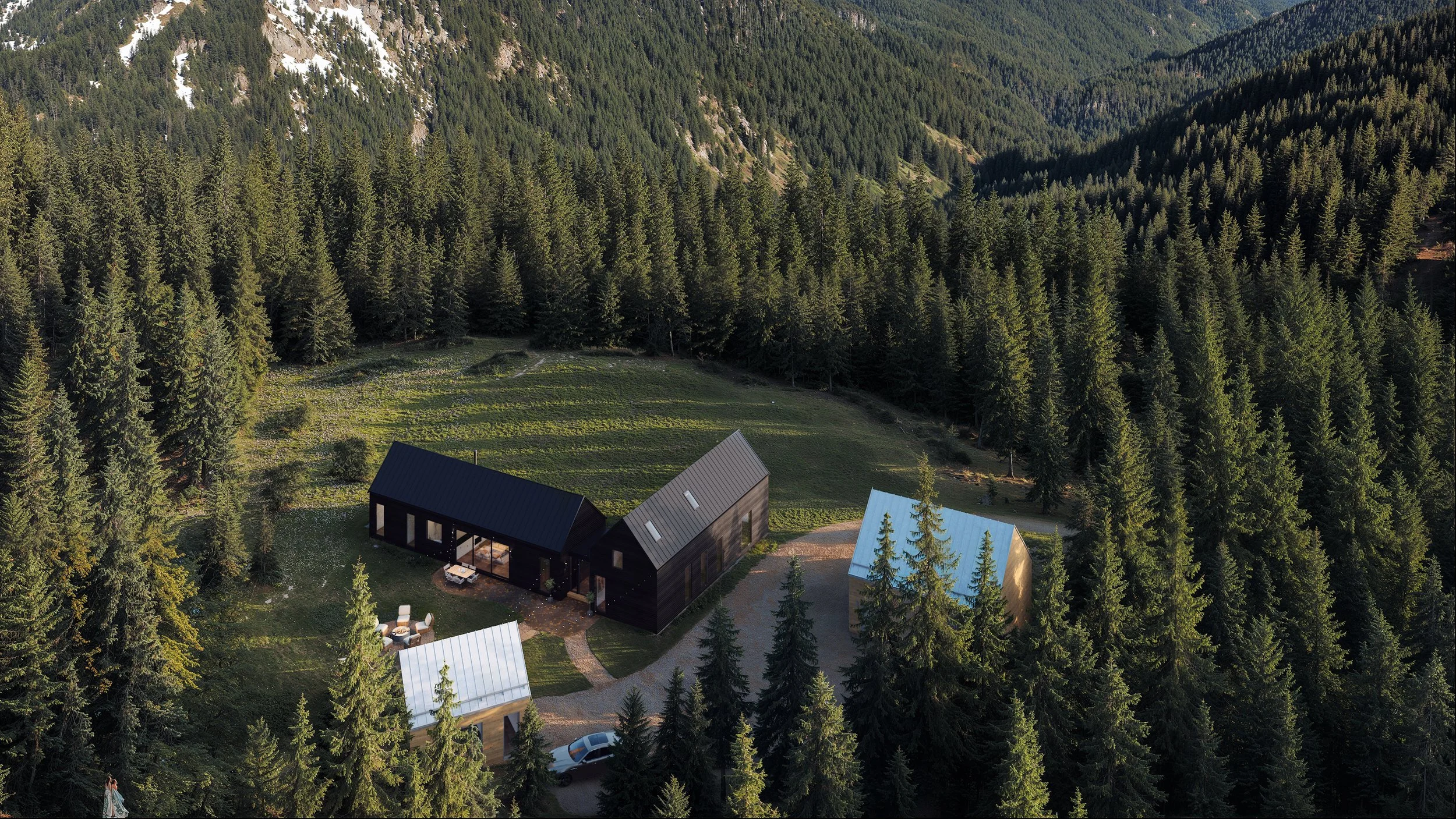
ADU visualization for HUTS
AI images aren't the answer
A growing number of prefab companies are turning to AI-generated images to fill this gap. The appeal is obvious — fast, cheap, and visually impressive at first glance. But AI images have a fundamental problem: they're not architecturally accurate. The proportions are wrong, the dimensions don't match the real product, and a serious buyer or investor will notice. When someone is spending $150,000 on a structure they haven't seen in person, they need to trust what they're looking at. An AI image that looks slightly off is worse than no image at all — it raises doubt.
Photorealistic renders based on your actual architectural drawings and specifications show the real product. The right dimensions, the right materials, the right proportions. That's what converts a curious visitor into a paying customer.
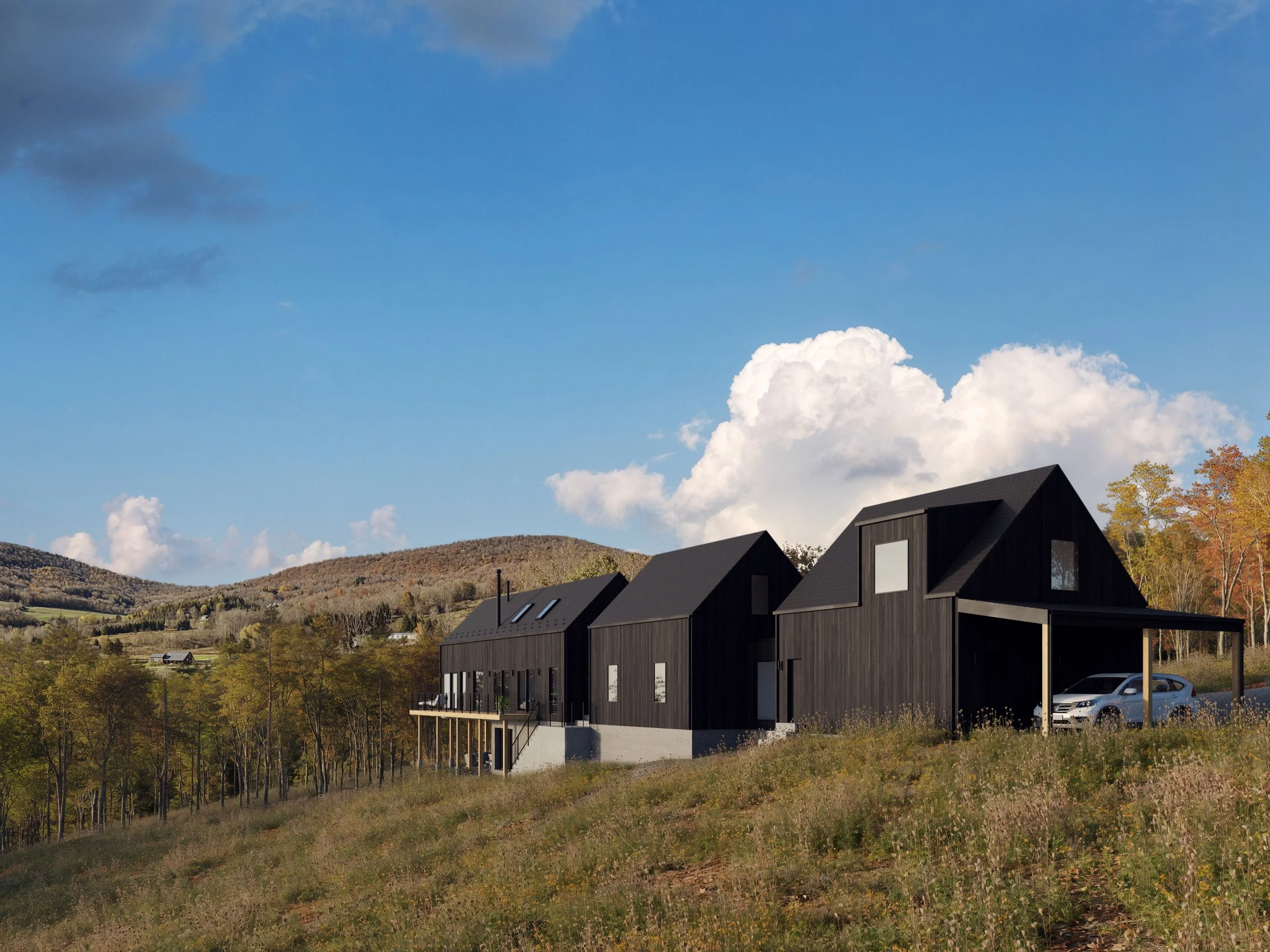
ADU visualization for HUTS
What good renders do for a prefab business
They sell before you build. Your first completed unit shouldn't be the first time a potential buyer can visualize the product. Renders let you market confidently from day one.
They work across your entire catalog. Every model variant, every color option, every configuration can be visualized without waiting for a physical build.
They work across different environments. The same unit can be shown in multiple landscape settings, helping buyers in different regions connect with the product.
They support investor and planning presentations. When you're pitching to investors or applying for planning permission, a photorealistic render carries far more weight than a sketch or a basic 3D model.
They're a long-term asset. Unlike a photoshoot that costs money every time you want new content, a render file can be re-rendered, adjusted and repurposed indefinitely.
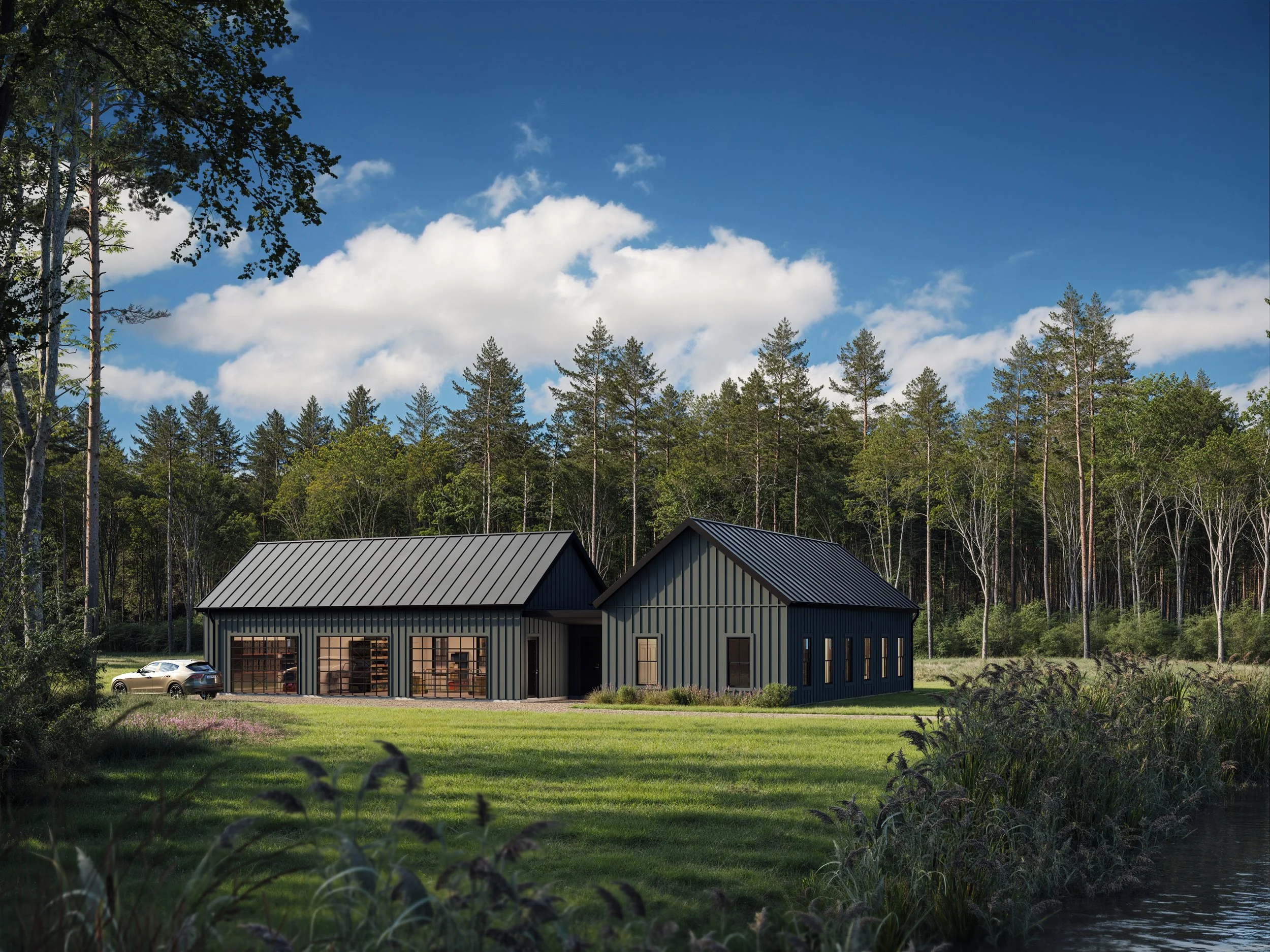
ADU visualization for BUILDLUDO
The companies getting this right
The prefab companies with the strongest visual marketing — the ones that consistently appear in Dwell, Dezeen and Architectural Digest — invest seriously in visualization. Their renders look like photographs. Their websites feel aspirational. And their conversion rates reflect it.
The ones still relying on basic 3D screenshots or AI images are leaving money on the table.
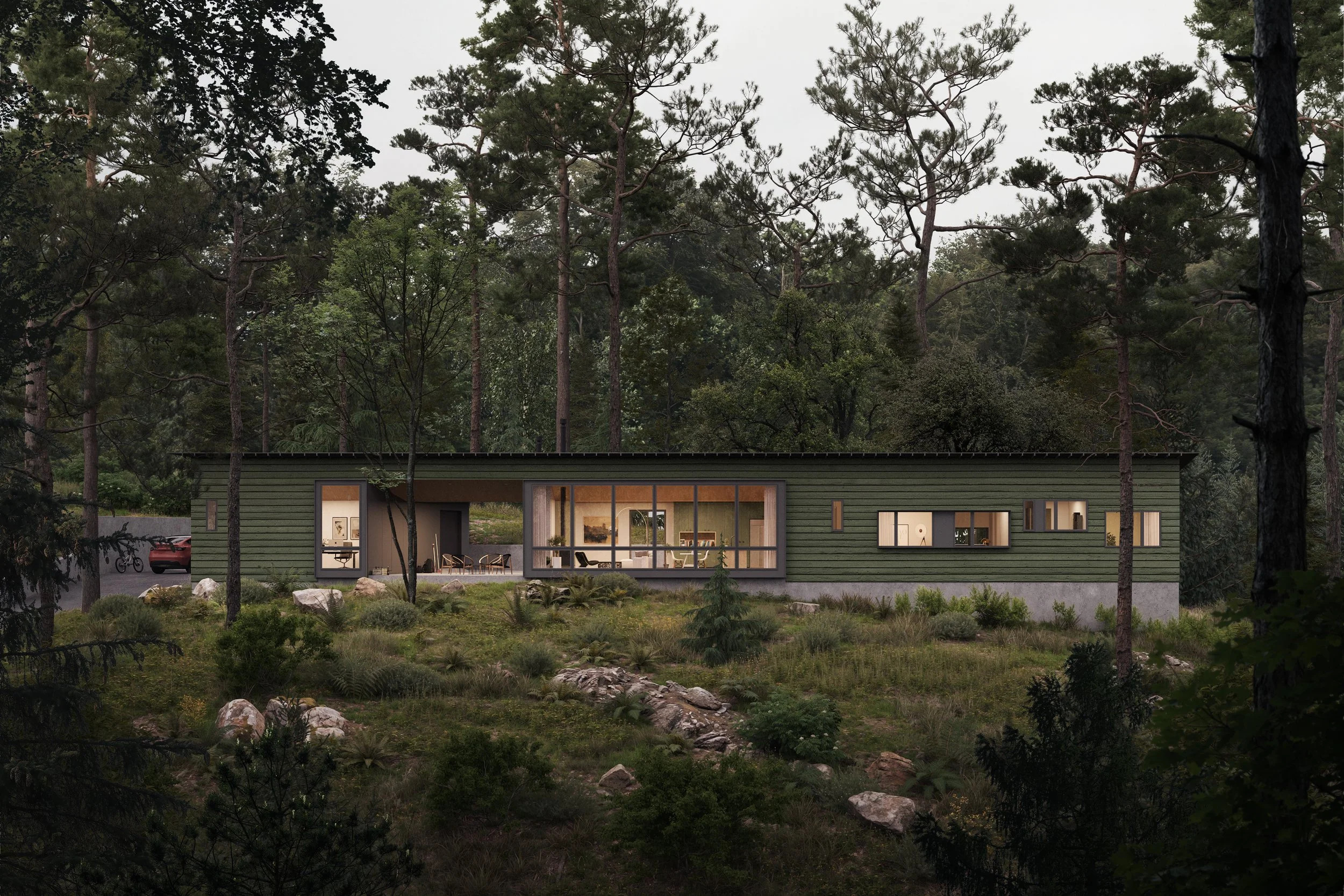
Visualization for Plural Office
Working with a specialist
Not all render artists understand the prefab space. The requirements are specific — catalog-style imagery, multiple environment settings, accurate material representation, fast turnaround when new models launch. Having worked with prefab and modular home companies including Huts.com, Buildludo and others, Stardust Visual understands what this market needs and delivers imagery that sells.
If you're building a prefab home catalog and want renders that actually move product, get in touch at info@stardustvisual.com.